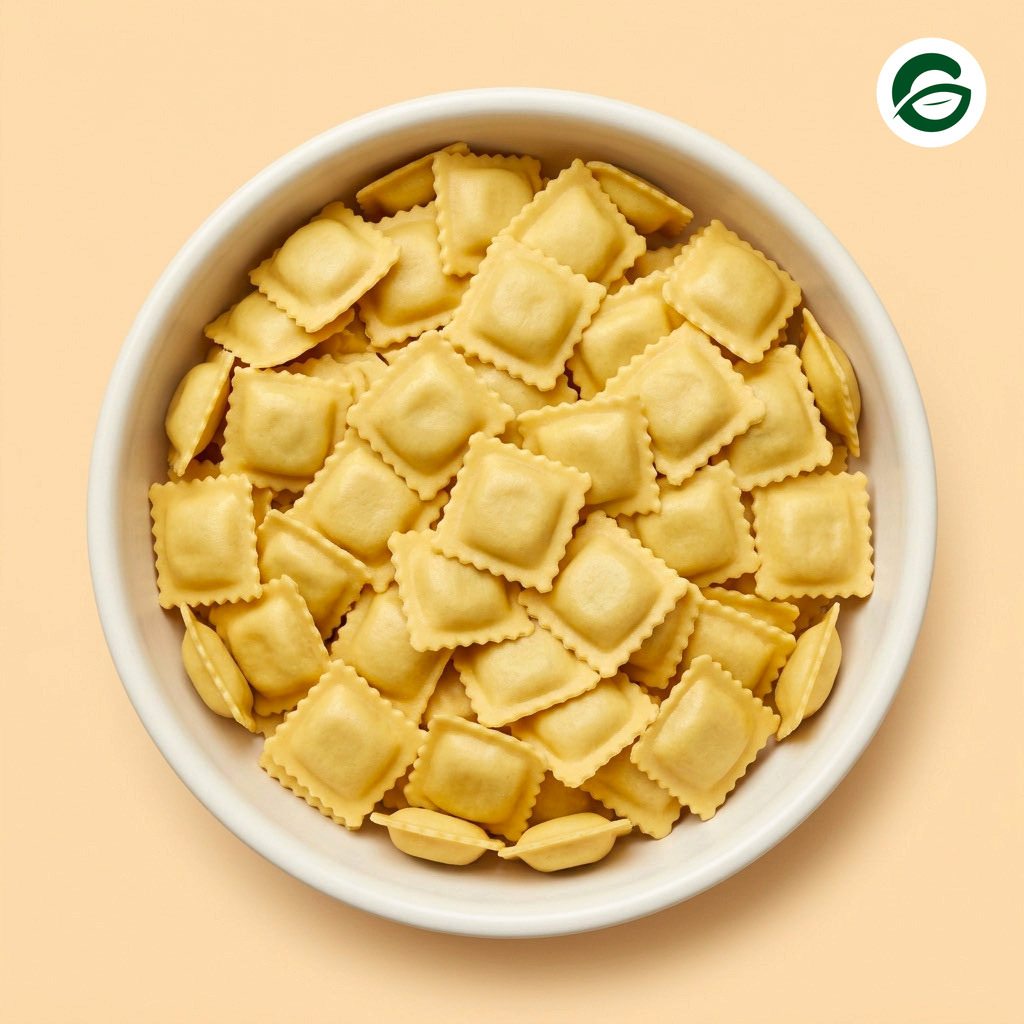
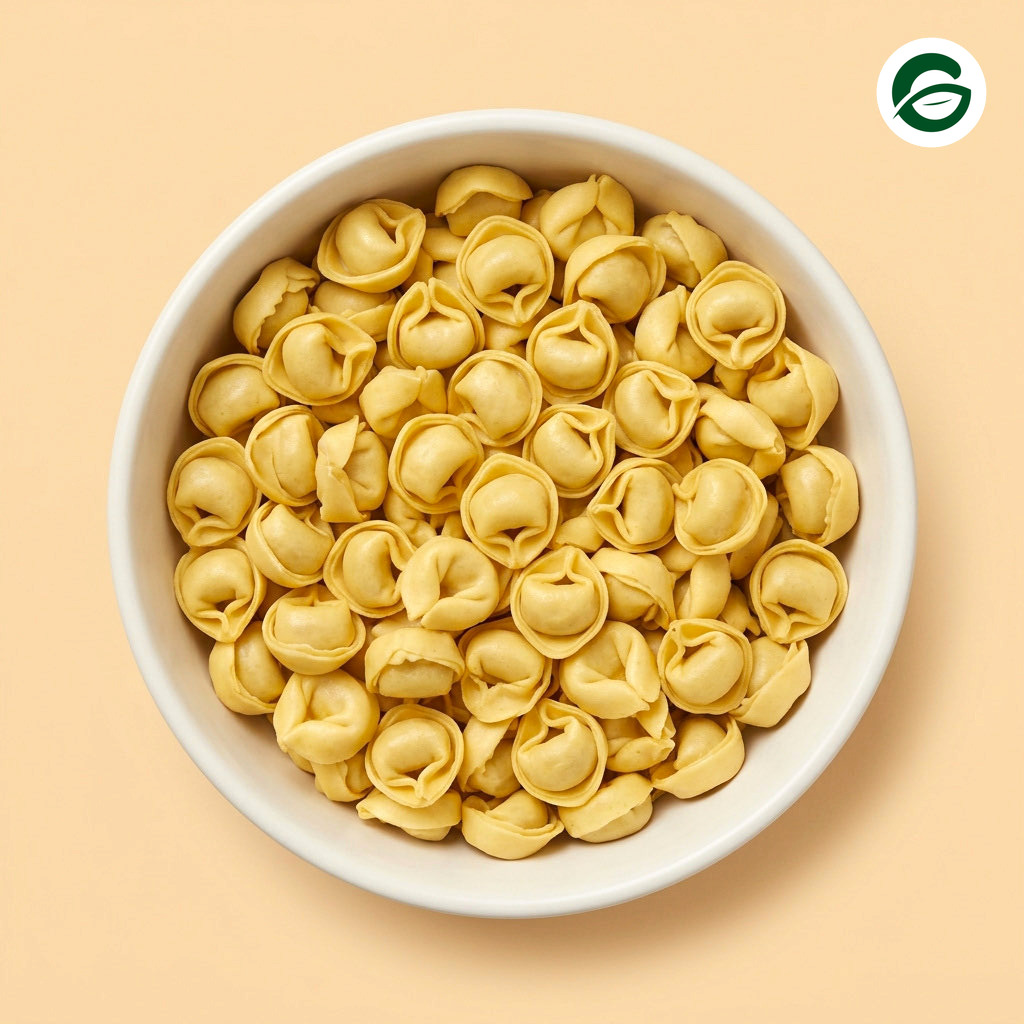
1. Executive Global Export Summary, Trade Corridors & HS Code Architecture
India represents the world's most formidable agricultural powerhouse, driving international food supply chains with unmatched volume, agro-ecological diversity, and generational farming mastery. As global food manufacturers, pharmaceutical extractors, commercial restaurant conglomerates, and multinational retail brands across North America, the European Union, the United Kingdom, the Middle East, and the Asia-Pacific look to secure reliable supply pipelines, Indian Tortellini (Shelf-Stable Filled Rings) (Triticum durum (Durum Wheat Semolina) with Dry Cheese/Herb Filling) has emerged as an indispensable commercial commodity. Rising global consumer demand for clean-label ingredients, certified organic foods, authentic ethnic flavor systems, and functional health ingredients has elevated the strategic importance of direct-from-origin sourcing.
International B2B procurement in the modern era has evolved far beyond traditional spot-market trading based merely on baseline FOB price quotations. Today's industrial procurement directors, quality assurance vice presidents, and compliance officers operate under strict regulatory mandates that require full supply chain visibility, verified farm-gate traceability, automated microbial pathogen eradication, and uncompromising adherence to Maximum Residue Limits (MRLs). Gir Company stands at the forefront of this industrial transformation, bridging multi-generational agricultural production networks across India with state-of-the-art processing, optical sorting, cryogenic milling, and validated saturated steam sterilization infrastructure.
The global trade architecture for agricultural commodities is strictly governed by the World Customs Organization (WCO) Harmonized Commodity Description and Coding System (HS). For international customs declaration, tariff rate determination, preferential duty calculations under Free Trade Agreements (FTAs) and Comprehensive Economic Cooperation Agreements (CECA), and statutory trade statistics, Tortellini (Shelf-Stable Filled Rings) is classified under specific HS codes: HS Code 1902.20.90 for whole, raw, or unprocessed forms, and HS Code 1902.20.90 for crushed, powdered, kibbled, or secondary value-added processed forms. Importers must ensure precise classification on shipping manifests, bills of lading, and certificates of origin to avoid customs clearance bottlenecks at destination ports.
Gir Company manages end-to-end commercial trade corridors connecting primary Indian agricultural belts directly to major maritime hubs worldwide. Consignments are dispatched from premier Western Gateway deep-water container ports including Mundra Port (INMUN1), Kandla Port (INIXY1), and Nhava Sheva / JNPT Port (INNSA1), as well as Southern gateway hubs including Cochin Port (INCOK1) and Tuticorin Port (INTUT1). Weekly direct liner vessel sailings connect Indian export terminals to global entry ports including Rotterdam, Hamburg, Antwerp, Felixstowe, New York/New Jersey, Savannah, Long Beach, Jebel Ali, Jeddah, Dammam, Singapore, Port Klang, Tokyo, and Sydney.
2. Agronomy, Agro-Ecological Terroirs, Cultivar Profiling & Harvest Dynamics
The organoleptic quality, chemical potency, essential oil concentration, and commercial yield of Tortellini (Shelf-Stable Filled Rings) are intrinsically determined by the unique soil composition, micro-climate, altitude, rainfall patterns, and diurnal temperature variations of India's specialized agricultural production belts. Unlike commodities produced under uniform greenhouse environments, field-grown Tortellini (Shelf-Stable Filled Rings) develops its characteristic bioactive profiles through natural adaptation to specific regional terroirs that cannot be replicated elsewhere in the world.
Primary cultivation zones in India encompass manufactured in state-of-the-art automated stuffed pasta plants in Gujarat utilizing Malwa Durum semolina. In these specialized geographic corridors, soil types range from nutrient-rich alluvial loams to well-drained volcanic black soils and fertile red lateritic soils with organic matter levels maintained between 1.5 and 3.5 percent and soil pH meticulously balanced between 6.0 and 7.5. Regional cultivars selected for commercial export production include indigenous high-potency landraces and certified agricultural university hybrids engineered for high essential bioactives, disease resistance, drought tolerance, and uniform physical seed or pod architecture.
The agricultural cultivation calendar follows a strictly monitored agronomic cycle. Sowing commences under optimal soil moisture conditions following pre-monsoon or early monsoon showers. Contracted farming clusters adhere to Good Agricultural Practices (GAP), utilizing precision drip fertigation, balanced organic composting, and integrated pest management (IPM) protocols that minimize chemical pesticide applications. The primary harvest window spans Year-round continuous production under cleanroom humidity control, when crops achieve peak physiological maturity. Crop maturity is determined through scientific field sampling, evaluating moisture decline, physical coloration, seed firmness, and bioactive accumulation. Harvesting is executed through specialized manual picking or modern mechanical harvesters that prevent mechanical bruising, soil contamination, and microbial inoculation.
Immediate post-harvest farm-gate conditioning is decisive in preserving product integrity. Harvested produce undergoes immediate shade-drying or controlled solar curing on elevated, food-grade polypropylene tarpaulins or in modern biomass-assisted forced-air drying chambers. This rapid moisture reduction from field harvest levels down to safe storage equilibrium prevents fungal spore germination, enzymatic degradation, lipid peroxidation, and the formation of hazardous mycotoxins such as Aflatoxins and Ochratoxin A.
3. Comprehensive Physical, Chemical & Bioactive Quality Specification Matrix
Industrial food processors, pharmaceutical manufacturers, spice extractors, and retail private label brand owners require absolute precision and batch-to-batch repeatability in raw material physical and chemical parameters. Gir Company supplies Tortellini (Shelf-Stable Filled Rings) processed and graded to satisfy the most stringent international standards including the American Spice Trade Association (ASTA), the European Spice Association (ESA), the International Organization for Standardization (ISO), the Food Safety and Standards Authority of India (FSSAI), and Codex Alimentarius.
The fundamental technical matrix for commercial export consignments is outlined below:
- Physical Appearance & Color: Clean, uniform, characteristic natural coloration with zero artificial dyes, chemical polishing agents, or synthetic additives.
- Purity & Cleanliness: 100% Durum Semolina dough, pasteurized dehydrated cheese/herb filling, non-GMO, machine-cleaned, double-aspirated, and Sortex optical color sorted to eliminate extraneous matter.
- Moisture Content: Strictly maintained below 11.0% max (w/w) finished product moisture, preventing microbial proliferation and preserving post-shipment shelf stability.
- Active Bioactive Marker: Dry Filling Stability & Dough Ring Sealing Integrity standardized at Dough protein min 13.0%, Filling content 25.0-30.0%, Water Activity aw < 0.65, verified via calibrated high-performance liquid chromatography.
- Volatile Essential Oil Content: Cooking time 12-14 minutes, zero ring burst, water uptake > 180%, determined by standard Clevenger hydro-distillation methodology.
- Total Ash: Maximum 5.0 to 8.0 percent (w/w), reflecting natural mineral composition without inorganic dirt or sand.
- Acid-Insoluble Ash: Maximum 0.5 to 1.5 percent (w/w), certifying near-total absence of silica, field soil, and mineral dust.
- Non-Volatile Ether Extract (NVEE): Standardized to verify full aromatic fat and resin retention.
- Crude Fiber: Compliant with international pharmacopoeia and spice trade purity monographs.
- Foreign Matter (Extraneous Vegetable Matter): Strictly below 0.1 to 0.5 percent by weight.
- Microbiological Purity: Salmonella Negative in 375g, Escherichia coli < 10 CFU/g, Total Plate Count (TPC) < 50,000 CFU/g upon steam sterilization.
Quality parameters are validated for every commercial production batch through certified independent laboratory analysis. Analytical test protocols adhere to AOAC International official methods, ISO validated procedures, and ASTA cleanliness specifications, ensuring that technical certificates of analysis (COA) match customs and buyer intake specifications without variance.
4. Industrial Pre-Cleaning, Destoning, Mechanical Grading & Sortex Color Sorting
Raw agricultural produce arriving at primary processing hubs from APMC mandis and farm-gate aggregation centers contains varying proportions of field impurities, including stones, dirt clods, plant stems, immature seeds, chaff, and tramp metal. Converting raw agricultural crop into pristine, food-grade export material demands multi-stage mechanical and optical conditioning inside modern ISO 22000 and BRCGS certified facilities.
Durum semolina dough is sheeted ultra-thin (0.8mm), dosed with calibrated dehydrated cheese/vegetable filling, mechanically folded and pinched into characteristic navel rings, pasteurized under steam, and dehydrated in multi-stage static drying chambers over 24 hours to achieve ambient shelf stability.
The processing line commences with heavy-duty pre-cleaners equipped with dual-deck reciprocating vibratory screens that perform coarse and fine scalping. Material then passes through high-capacity air-aspiration channels where high-velocity air streams fluidize the commodity stream, separating light chaff, dust, and shriveled particles based on aerodynamic terminal velocity. Next, fluidized-bed vibratory destoners separate dense impurities like gravel, stones, and glass fragments utilizing localized air flotation and gravitational density stratifications.
Ferrous, non-ferrous, and stainless steel contaminants are eradicated through multi-stage inline magnetic separations. High-intensity neodymium rare-earth magnetic grates (yielding magnetic flux densities exceeding 11,000 Gauss) capture microscopic ferrous abrasion particles, followed by digital multi-frequency pipeline metal detectors capable of detecting and pneumatic-ejecting metal particles as minute as 0.8 mm. Optical refinement is achieved via advanced Buhler Sortex multi-camera trichromatic color sorters integrated with high-definition InGaAs infrared cameras. These automated units inspect individual particles at supersonic processing speeds, detecting subtle color deviations, insect punctures, chalky kernels, and foreign matter, flawlessly rejecting defective units with micro-millisecond pneumatic air valves to achieve up to 99.95 percent commercial purity.
5. Continuous Saturated Steam Sterilization & Microbial Pathogen Eradication
Raw agricultural crops harvested from open fields naturally harbor diverse environmental microflora, including spore-forming bacteria, yeasts, molds, and potentially lethal pathogens such as Salmonella, Escherichia coli, and Listeria monocytogenes. For food manufacturers formulating ready-to-eat seasonings, meat rubs, dairy blends, bakery mixes, and snack coatings, unsterilized ingredients pose catastrophic recall and public health risks. Conventional chemical fumigants like Ethylene Oxide (ETO) and Methyl Bromide are strictly prohibited across the European Union and many international jurisdictions due to carcinogenic residue risks, while gamma irradiation faces severe consumer backlash and labeling restrictions.
Gir Company overcomes these challenges through state-of-the-art continuous High-Temperature Short-Time (HTST) saturated steam sterilization. This all-natural, purely physical thermal process utilizes pure culinary saturated steam under calibrated positive pressure inside a continuous pressurized chamber. Product particles are exposed to precise steam temperatures (between 105 and 125 degrees Celsius) for contact times ranging from 20 to 60 seconds, followed by immediate rapid cooling in a sterile, dehumidified fluid-bed drying zone.
This rapid thermodynamic contact effectively disrupts microbial cellular membranes and denatures bacterial enzymes, delivering a verified 5-log (99.999 percent) reduction in vegetative pathogens. Crucially, the ultra-short exposure duration prevents the thermal degradation of volatile essential oils, heat-sensitive aroma volatiles, and natural color pigments. The resulting sterilized ingredient achieves Total Plate Counts below 10,000 to 50,000 CFU/g, Yeast and Mold counts below 100 CFU/g, and zero detection of Salmonella in 375 grams and E. coli in 10 grams, all while remaining 100 percent free of chemical residues and fully compliant with EU organic regulations.
6. Advanced Milling, Cryogenic Micronization & Particle Size Engineering
Converting cleaned and sterilized agricultural commodities into specialized flours, granules, or micro-fine powders requires precision milling technologies that maintain chemical stability and deliver precise particle size distribution (PSD) profiles tailored to specific industrial applications.
Finely milled durum semolina with high gluten elasticity to prevent dough tearing during automated high-speed mechanical folding.
Traditional ambient hammer and pin milling processes generate extreme frictional heat within the grinding chamber, often exceeding 70 to 90 degrees Celsius. This excessive thermal buildup causes rapid volatilization of delicate essential oils, degradation of aromatic terpene fractions, thermal browning of pigments, and the melting or pasty clumping of natural plant fats. To prevent quality loss, Gir Company operates advanced Cryogenic Pin Milling systems utilizing controlled injection of liquid nitrogen (-196 degrees Celsius) directly into the pre-feed auger and grinding chamber.
By super-cooling the commodity below its glass transition temperature, the material becomes brittle, fracturing cleanly upon impact with high-speed counter-rotating pin discs running at tip speeds up to 150 meters per second. This cryogenic environment completely eliminates frictional heat, locking in volatile essential oils, preserving natural color brilliance, and enabling ultra-fine particle reduction without screen blinding or fat smearing. Downstream centrifugal sifting systems and air classifiers separate powder streams into tightly controlled mesh sizes ranging from 20 mesh granules for seasoning blends up to 120 mesh micro-fine flours for pharmaceutical suspensions and beverage dissolution.
7. Global Statutory Food Safety, Regulatory Frameworks & MRL Compliance
Navigating the complex landscape of international food safety legislation is paramount for modern import-export operations. Agricultural commodities entering regulated overseas markets face stringent statutory compliance checks at border inspection posts. Consignments failing regulatory parameters face immediate border rejection, mandatory destruction at the importer's expense, or customs re-exportation, resulting in severe financial loss and brand damage.
Gir Company designs its processing, testing, and documentation architecture to satisfy and exceed the mandatory requirements of global regulatory bodies:
- United States (US FDA & FSMA): Full compliance with the Food Safety Modernization Act (FSMA) Foreign Supplier Verification Program (FSVP), Hazard Analysis and Risk-Based Preventive Controls (HARPC), US FDA facility registration, and strict adherence to EPA pesticide tolerances and defect action levels (DALs).
- European Union (EC & EFSA): Compliance with General Food Law Regulation (EC) No 178/2002, Maximum Residue Limits Regulation (EC) No 396/2005, Contaminants Regulation (EU) 2023/915 for heavy metals and mycotoxins, and strict Ethylene Oxide (ETO < 0.01 mg/kg) verification.
- United Kingdom (FSA): Adherence to UK food safety standards, GB MRL legislation, and post-Brexit customs documentation protocols.
- Gulf Cooperation Council (GCC & GSO): Compliance with GSO 1016 microbiological criteria for foodstuffs, Gulf MRL standards, and certified Halal production pipelines.
- Codex Alimentarius: Alignment with international food standards established jointly by the FAO and WHO covering hygiene, contaminants, and labeling.
Every commercial consignment exported by Gir Company is accompanied by a comprehensive regulatory documentation package, including statutory Phytosanitary Certificates issued by the Indian Directorate of Plant Protection, Quarantine & Storage, Certificates of Origin (COO), non-GMO declarations, allergen statements, radiation-free certificates, and batch-specific Certificates of Analysis issued by ISO/IEC 17025 accredited testing laboratories.
8. Multi-Residue Pesticide, Mycotoxin, Heavy Metal & Contaminant Validation
Ensuring absolute chemical purity requires uncompromising analytical surveillance. Gir Company implements rigorous farm-to-shipment testing protocols utilizing state-of-the-art chromatographic and spectroscopic instrumentation in partnership with internationally accredited laboratory networks.
Pesticide residue testing is executed via multi-residue screening methods employing Liquid Chromatography-Tandem Mass Spectrometry (LC-MS/MS) and Gas Chromatography-Tandem Mass Spectrometry (GC-MS/MS) following the standardized QuEChERS (Quick, Easy, Cheap, Effective, Rugged, and Safe) extraction protocol (EN 15662 / AOAC 2007.01). The screening panel analyzes over 500 individual active pesticide substances, including organophosphates, organochlorines, synthetic pyrethroids, triazoles, and neonicotinoids, certifying that residue concentrations remain well below statutory European Union and US EPA limits.
Mycotoxin surveillance is performed via High-Performance Liquid Chromatography with Fluorescence Detection (HPLC-FLD) and ultra-sensitive LC-MS/MS. Consignments are certified to contain Total Aflatoxins (B1, B2, G1, G2) strictly below 4.0 micrograms per kilogram (ppb), with Aflatoxin B1 restricted below 2.0 ppb for European Union food manufacturing consignments, and Ochratoxin A (OTA) certified below 15.0 ppb. Toxic heavy metals, including Lead (Pb), Cadmium (Cd), Arsenic (As), and Mercury (Hg), are quantified via Inductively Coupled Plasma Mass Spectrometry (ICP-MS) following microwave-assisted nitric acid digestion, ensuring compliance with Commission Regulation (EU) 2023/915.
Furthermore, analytical protocols verify the total absence of illegal synthetic dyes (such as Sudan I, II, III, IV, Para Red, Rhodamine B, and Metanil Yellow) and monitor Mineral Oil Hydrocarbons (MOSH and MOAH) to ensure zero cross-contamination from jute batching oils, mechanical lubricants, or secondary packaging adhesives.
9. Standardized Laboratory Analytical Methods & Pharmacopoeial Testing Protocols
Every commercial batch produced by Gir Company undergoes systematic analytical laboratory evaluation according to internationally recognized standard operating procedures. The exact testing methods utilized across our quality control operations include:
- Moisture Determination: Executed in accordance with AOAC 986.21 and ISO 939 utilizing Karl Fischer volumetric titration or vacuum-oven desiccation at 70 degrees Celsius to prevent volatile loss.
- Volatile Oil Quantification: Measured via standard Clevenger-type steam hydro-distillation (ISO 6571 / ASTA Method 5.0) utilizing calibrated volumetric receiver traps over a four-hour continuous distillation cycle.
- Active Bioactive Chromatography: Quantified via High-Performance Liquid Chromatography with Photodiode Array Detection (HPLC-DAD) using reverse-phase C18 analytical columns (250mm x 4.6mm, 5 micron) under isocratic or binary gradient elution with spectrophotometric detection at specific compound lambda-max absorption wavelengths.
- Gas Chromatography-Mass Spectrometry (GC-MS): Profiling of volatile terpenes, esters, aldehydes, and phenolic compounds using fused silica capillary columns (DB-5MS, 30m x 0.25mm x 0.25 micron) coupled with single-quadrupole or triple-quadrupole mass spectrometers for absolute molecular identification.
- Total Ash & Acid-Insoluble Ash: Tested via high-temperature platinum or porcelain crucible incineration in computer-controlled muffle furnaces at 550 to 600 degrees Celsius (AOAC 941.12), followed by boiling in 10 percent hydrochloric acid and gravimetric ash filtration.
- Extraneous Foreign Matter: Evaluated via ASTA Cleanliness Method 1.0 utilizing precision air tables, vibrating micro-sieves, and stereoscopic optical microscopy.
10. Sensory Evaluation, Organoleptic Cupping & Flavor Matrix Profiling
While instrumental chemical analysis establishes objective safety and purity benchmarks, sensory evaluation remains the ultimate arbiter of culinary performance in commercial food manufacturing. Gir Company conducts rigorous sensory cupping panels led by trained organoleptic panelists who evaluate every production lot against established reference monographs.
The sensory evaluation protocol evaluates five core dimensions: visual color vibrancy and hue consistency under standardized D65 daylight illumination, immediate volatile aroma release upon initial package breach, nasal cavity resonance and aroma complexity, oral taste profile including sweetness, pungency, bitterness, umami depth, and astringency, and lingering retro-nasal persistence. This multi-point sensory profiling guarantees that ingredients seamlessly integrate into industrial spice rubs, marinades, bakery doughs, beverage infusions, and savory snack coatings without unexpected off-notes or flavor masking requirements.
11. Storage Dynamics, Warehouse Thermodynamics & Extended Shelf Life Preservation
Maintaining product stability throughout commercial warehousing requires precise control over ambient storage thermodynamics. Ground and whole agricultural ingredients are susceptible to oxidative rancidity, pigment fading, and moisture re-absorption when exposed to elevated ambient heat and humidity.
Gir Company operates dedicated temperature-controlled warehousing facilities maintaining ambient storage temperatures strictly between 15 and 20 degrees Celsius and relative humidity below 55 to 60 percent. Finished palletized cargo is elevated on heavy-duty selective pallet racking with minimum 50 cm clearance from perimeter walls to facilitate continuous laminar airflow and eliminate thermal condensation pockets. Under these validated storage conditions, products maintain chemical potency, microbiological safety, and volatile oil retention across an extended commercial shelf life of 24 months from the date of processing.
12. Psychrometric Container Logistics, Moisture Control & Ocean Freight Protection
The intercontinental ocean transport of containerized agricultural commodities involves severe environmental hazards. Container vessels traversing global trade lanes from Indian ports through tropical equatorial waters toward temperate or cold discharge ports in Northern Europe, North America, or East Asia experience drastic temperature fluctuations. During daytime equatorial sailing, ambient temperatures inside uninsulated steel shipping containers can exceed 55 degrees Celsius, driving moisture out of the commodity into the container headspace air. As night falls or as the vessel enters colder waters, the container's steel roof and walls cool rapidly, causing the humid internal air to reach its dew point. This precipitates container sweat (cargo rain), where droplets of condensed water shower down directly onto the cargo, triggering localized mold growth, moisture absorption, agglomeration, and severe spoilage.
Gir Company prevents ocean transit damage through scientific psychrometric packaging engineering and proactive container conditioning. Prior to stuffing, every shipping container undergoes an intensive 7-point physical inspection to certify structural integrity, complete water tightness, clean and odor-free wooden floorboards, and absence of rust or chemical residues. High-performance, high-absorption Calcium Chloride (CaCl2) desiccant poles and blankets (capable of absorbing over 300 percent of their dry weight in moisture and locking it into non-leaking gel form) are strategically suspended along container sidewall corrugations.
Container interiors are lined with breathable, moisture-barrier multi-layer thermal insulation liners that stabilize internal temperature fluctuations and protect cargo from radiant heat and condensation. Consignments are packed in multi-wall kraft paper bags with inner co-extruded polyethylene barrier liners, vacuum-sealed hermetic bags, or food-grade polypropylene bulk bags (FIBCs). Palletized cargo is assembled on heat-treated ISPM-15 compliant wooden pallets or clean plastic pallets, corner-boarded, and automated stretch-wrapped with high-tensile ventilated film, ensuring complete mechanical stability and moisture protection during transoceanic voyages.
13. International Commercial Trade Terms (Incoterms 2020), Documentation & Finance
Executing smooth international trade transactions requires standardized contractual frameworks, unambiguous division of commercial risks, and transparent trade finance structures. Gir Company executes international export agreements in strict compliance with the International Chamber of Commerce (ICC) Incoterms 2020 rules, providing overseas buyers with flexible delivery terms matched to their supply chain preferences.
Standard commercial trade terms include:
- FOB (Free on Board - Named Indian Seaport): Gir Company delivers goods cleared for export loaded on board the buyer's designated vessel at Mundra, Kandla, Nhava Sheva, or Cochin port. Risk transfers to the buyer once goods pass the ship's rail.
- CFR (Cost and Freight - Named Destination Port): Gir Company arranges and pays for ocean freight to the destination port, with cargo risk transferring to the buyer upon container loading at the Indian origin port.
- CIF (Cost, Insurance and Freight - Named Destination Port): Gir Company covers ocean freight and procures marine cargo insurance under Institute Cargo Clauses (A) covering All Risks (110 percent of invoice value) until discharge at destination.
- DAP / DDP (Delivered at Place / Delivered Duty Paid): Available for contracted long-term institutional buyers in select North American, European, and Middle Eastern jurisdictions.
Standard commercial payment instruments include Confirmed, Irrevocable Letters of Credit (L/C at Sight) issued by prime international banks adhering to Uniform Customs and Practice for Documentary Credits (UCP 600), or structured Telegraphic Transfer (T/T) terms comprising a 30 percent advance booking deposit with the 70 percent balance payable against transmission of non-negotiable shipping document sets.
14. Private Label OEM Packaging, Barrier Materials & Retail Ready Formats
In addition to bulk institutional containers, Gir Company provides comprehensive original equipment manufacturing (OEM) and private label packaging services for multinational retail supermarket chains, online direct-to-consumer (D2C) brands, foodservice distributors, and specialized ethnic food importers. Our automated packaging infrastructure handles diverse packaging formats under cleanroom hygiene standards.
250g, 500g, 1kg nitrogen-flushed high-barrier gas-flush bags in 6 kg / 10 kg master cartons.
Our packaging material portfolio incorporates high-barrier laminate structures (including PET/ALU/PE, Kraft/VMPET/PE, and recyclable mono-material PE/PE films) that provide exceptional Oxygen Transmission Rate (OTR < 0.1 cc/m2/day) and Water Vapor Transmission Rate (WVTR < 0.1 g/m2/day) protection. Packaging options include nitrogen-flushed stand-up pouches with resealable zip locks, gusseted block-bottom bags, clear PET and high-density glass spice jars with induction heat-seal liners and dual-flapper dispensing caps, high-barrier pillow pouches for food kits, and heavy-duty 25 kg poly-lined kraft sacks for industrial batching.
All retail-ready packaging is fully integrated with automated thermal-transfer overprinters (TTO) and continuous inkjet (CIJ) systems for high-resolution printing of lot batch numbers, production timestamps, best-before dates, EAN/UPC barcodes, QR traceability codes, and multi-lingual ingredient declarations compliant with US FDA 21 CFR Part 101 and EU Regulation 1169/2011 labeling laws.
15. Contract Farming, Sustainable Sourcing, ESG & Supply Chain Traceability Architecture
Corporate sustainability, environmental stewardship, and ethical governance (ESG) have become core criteria in multinational ingredient sourcing decisions. Large food corporations, global retail chains, and conscious consumers increasingly mandate full visibility into agricultural supply chains, ensuring that commodities are produced without deforestation, child labor, or destructive environmental depletion.
Gir Company operates an advanced backward integrated contract farming model across major Indian agricultural heartlands. By partnering directly with thousands of smallholder farming families, we provide certified non-GMO seeds, organic bio-fertilizers, technical agronomic training, and guaranteed buy-back agreements at fair-trade minimum pricing. Agronomists monitor soil organic carbon levels, promote micro-drip irrigation to conserve ground water resources, and implement regenerative farming techniques including inter-cropping and cover cropping.
Our digital traceability platform assigns unique geospatial polygon coordinates to every contracted farm cluster. During harvest aggregation, raw material batches are tagged with serialized digital QR codes that capture farm origin, harvest date, soil health history, and agricultural input records. This digital passport accompanies the material through pre-cleaning, sterilization, cryogenic milling, and packaging, enabling international buyers to trace retail products directly back to the individual grower cluster via smartphone scan.
16. Industrial Formulations, Culinary Matrix Applications & Commercial Synergy
In modern industrial food science, Tortellini (Shelf-Stable Filled Rings) serves as a multifunctional core ingredient across diverse commercial sectors. Food technologists incorporate this ingredient into savory seasoning blends, dry soup and bouillon mixes, convenience ramen packs, extruded snack flavorings, processed meat marinades, bakery formulations, functional beverage concentrates, and nutraceutical dietary supplements.
The chemical stability of active bioactives (Dry Filling Stability & Dough Ring Sealing Integrity) ensures thermal resilience during high-temperature extrusion, baking, and retort canning processes. When combined with natural carrier matrices, it provides immediate aroma burst and sustained flavor release throughout the product shelf life. For clean-label formulators, our steam-sterilized, non-irradiated ingredient delivers powerful sensory performance while supporting 100 percent natural, allergen-free, non-GMO, and preservative-free consumer claims on front-of-pack packaging.
17. Digital Certificate of Analysis (COA) Architecture, Blockchain Ledger & Real-Time Container IoT Tracking
Transparency in modern global trade requires instantaneous data accessibility. Gir Company provides an enterprise digital documentation platform where overseas buyers can verify batch-specific test results, Phytosanitary approvals, and international customs clearance documents in real time.
Every commercial container shipped by Gir Company is equipped with automated real-time IoT tracking sensors that record container internal temperature, relative humidity levels, shock impacts, and GPS geo-location coordinates throughout the ocean voyage. This continuous telemetry data streams directly to our cloud logistics portal, empowering procurement teams with full transparency from the moment cargo departs the Indian manufacturing facility until final discharge at destination seaports.
18. Key Export Markets, Global Demand Trends & Commercial Outlook
The international marketplace for Tortellini (Shelf-Stable Filled Rings) is experiencing sustained structural growth driven by shifting consumer lifestyles, culinary globalization, and expanding industrial applications across food processing, ready-to-eat convenience meals, natural cosmetics, and nutraceutical formulations.
USA, Canada, UK, Germany, France, UAE, Saudi Arabia, and Australia across ambient gourmet grocery shelves, meal kits, and specialty foodservice.
As sustainability and environmental governance (ESG) take center stage in corporate procurement strategies, Gir Company actively invests in carbon-reduced agricultural supply chains, regenerative soil management, solar-powered processing facilities, and 100 percent recyclable packaging substrates. By combining multi-generational agricultural partnerships with state-of-the-art processing technology, absolute laboratory transparency, and responsive customer service, Gir Company remains the preferred direct-from-origin export partner for leading global enterprises.
19. Technical Frequently Asked Questions (FAQs) for International Buyers
1. What is the standard commercial export packaging for Indian Tortellini (Shelf-Stable Filled Rings)?
Gir Company supplies export consignments in multi-layer food-grade packaging configurations optimized for maritime transit. Bulk shipments are packed in 25 kg and 50 kg multi-wall poly-lined kraft paper sacks, heavy-duty HDPE woven bags with heat-sealed polyethylene inner liners, or food-grade 1,000 kg Flexible Intermediate Bulk Containers (FIBC jumbo bags). For value-added ingredients, vacuum-sealed nitrogen-flushed foil packs are loaded inside 5-ply corrugated master cartons stacked on ISPM-15 certified heat-treated wooden pallets. All pallets are corner-boarded and stretch-wrapped with high-tensile ventilated film.
2. What is the correct 6-digit and 8-digit HS Code classification for Tortellini (Shelf-Stable Filled Rings)?
Under the international Harmonized Commodity Description and Coding System, Tortellini (Shelf-Stable Filled Rings) is classified under HS Code 1902.20.90 for whole, raw, or unground forms, and HS Code 1902.20.90 for crushed, ground, or processed forms under Indian Directorate General of Foreign Trade (DGFT) customs regulations. Commercial invoices, shipping bills, bills of lading, and certificates of origin clearly display these codes to ensure rapid customs processing.
3. What are the minimum order quantities (MOQ) for full container load ocean shipments?
The standard commercial minimum order quantity is one 20-foot Full Container Load (FCL), which accommodates between 12 to 18 metric tons depending on the product bulk density and packaging dimensions. For higher volume contracts, 40-foot High Cube containers carry up to 24 to 26 metric tons. For trial orders and brand launches, we offer consolidated container shipments with minimum 3 metric ton allocations per individual product line item.
4. How is moisture controlled to prevent mold growth and mycotoxin contamination during ocean transit?
Moisture control is achieved through a multi-barrier defense system. Raw material is dehumidified during processing to maintain moisture strictly below 11.0% max (w/w) finished product moisture. Cargo is sealed inside hermetic vapor-barrier liners, and containers are equipped with high-absorption calcium chloride desiccant poles that absorb over 300 percent of their dry weight in ambient moisture, actively preventing container sweat and cargo rain during ocean transits.
5. What analytical testing methods are utilized for verifying Dry Filling Stability & Dough Ring Sealing Integrity?
Active bioactive concentration is verified via calibrated High-Performance Liquid Chromatography with Photodiode Array Detection (HPLC-DAD) and Gas Chromatography-Mass Spectrometry (GC-MS) following AOAC International official methods and ISO validated testing protocols conducted within ISO/IEC 17025 accredited laboratory facilities. Every batch certificate of analysis details peak retention times, recovery percentages, and calibration curves.
6. Can Gir Company supply certified organic consignments for European and North American markets?
Yes. Gir Company provides certified organic consignments with full farm-gate traceability from contracted farmer clusters certified under India's National Programme for Organic Production (NPOP), USDA National Organic Program (NOP), and European Union Organic equivalent standards, accompanied by official third-party Transaction Certificates (TC).
7. What Maximum Residue Limits (MRLs) and pesticide standards are guaranteed for EU imports?
Every commercial production batch undergoes comprehensive multi-residue pesticide screening covering over 500 chemical substances via LC-MS/MS and GC-MS/MS QuEChERS protocols. We certify 100 percent compliance with Regulation (EC) No 396/2005, with Ethylene Oxide (ETO) and 2-chloroethanol levels guaranteed strictly below the limit of quantification of 0.01 mg/kg.
8. What heavy metal parameters are verified prior to export clearance?
Inductively Coupled Plasma Mass Spectrometry (ICP-MS) testing certifies that Lead (Pb), Cadmium (Cd), Arsenic (As), and Mercury (Hg) concentrations remain strictly below the statutory maximum limits defined in European Commission Regulation (EU) 2023/915 and US FDA guidance levels.
9. What microbial reduction and sterilization treatments are available?
We provide validated High-Temperature Short-Time (HTST) continuous saturated steam sterilization delivering a certified 5-log pathogen reduction (Total Plate Count < 50,000 CFU/g, Salmonella Negative in 375g, E. coli < 10 CFU/g) without utilizing chemical fumigants or ionizing radiation, preserving natural volatile aroma and color.
10. Which Indian seaports are utilized for ocean freight dispatch?
Primary containerized shipments depart from Mundra Port (INMUN1), Kandla Port (INIXY1), and Nhava Sheva / JNPT Port (INNSA1) on India's Western coastline, as well as Cochin Port (INCOK1) and Tuticorin Port (INTUT1) in South India, offering direct container line service to Europe, the Americas, the Middle East, and Asia.
11. What third-party pre-shipment inspection agencies are supported?
Overseas buyers may appoint internationally accredited independent inspection agencies, including SGS, Bureau Veritas, Intertek, or Eurofins, to perform pre-shipment composite sampling, physical testing, weight verification, container stuffing supervision, and customs seal validation prior to port dispatch.
12. What Incoterms and international commercial trade terms are offered?
Gir Company executes export agreements under Incoterms 2020 rules, providing FOB (Free on Board Indian Port), CFR (Cost and Freight), and CIF (Cost, Insurance and Freight) terms inclusive of Institute Cargo Clauses (A) All Risks marine insurance coverage (110 percent of invoice value).
13. What payment terms are accepted for institutional B2B export contracts?
Standard commercial payment instruments include Confirmed, Irrevocable Letters of Credit payable at sight (Sight L/C adhering to UCP 600) or structured Telegraphic Transfer (T/T) terms consisting of a 30 percent advance deposit upon contract signing with the 70 percent balance payable against transmission of non-negotiable shipping documents.
14. What private label and retail packaging customization options are available?
We provide complete OEM private labeling solutions, including nitrogen-flushed stand-up pouches with resealable zippers, PET and glass spice jars with tamper-evident grinder caps, pillow packs, and retail-ready outer cartons printed with custom buyer branding and compliant multi-lingual labeling.
15. What is the guaranteed shelf life and recommended storage environment?
Commercial shelf life is guaranteed for 24 months from the date of processing when maintained in original, unopened hermetic barrier packaging in a clean, temperature-controlled warehouse below 20 degrees Celsius and relative humidity below 60 percent, protected from ambient moisture and direct sunlight.
Interested in Importing?
Talk to our export specialists. APEDA certified, ISO 22000 compliant. FOB Mundra with full documentation.